






 Arcade
What Is Geometry Dash?
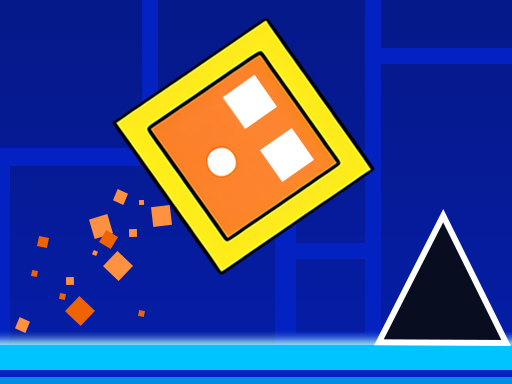
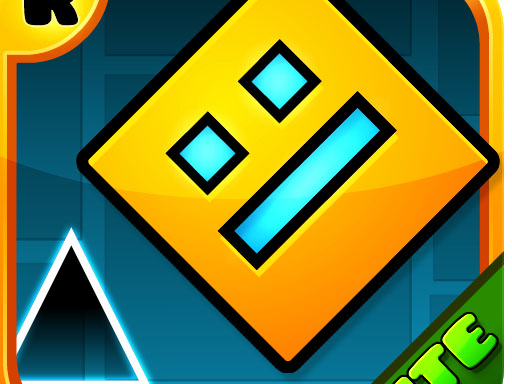
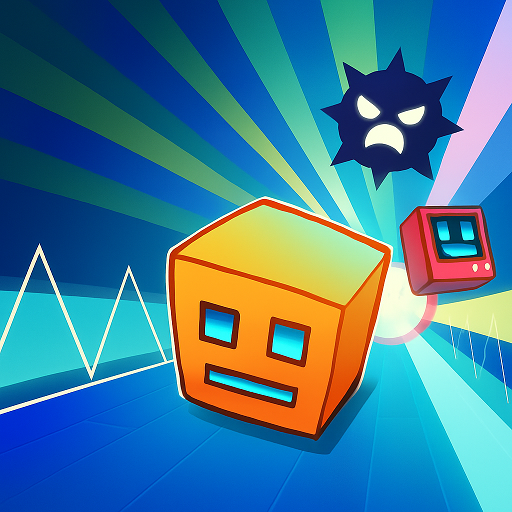
Think of a rhythm-based platformer where timing is everything. In this game, you guide a glowing cube through obstacle courses where every jump, spike, and obstacle is perfectly synced to electronic music. The moment the beat hits, you jump. Miss the rhythm, and you start over.
It sounds simple. One button, one cube, way too many spikes. But there's something magnetic about how Geometry Dash works. You don't just play the levels — you feel them. The pulsing visuals sync with the soundtrack, and your body starts anticipating jumps before your brain fully processes what's happening on screen.
The first time I tried it, I died in about two seconds. Then three seconds. Then maybe five. But something kept pulling me back. Failure doesn't feel like punishment here — it feels like a puzzle getting clearer each time you attempt it.
How to Play
The controls are dead simple — tap or click to make your cube jump. That's it for the basic form. But here's where things get interesting. As you play through levels, you'll encounter portals that transform your cube into seven other forms, each with its own physics.
The ship requires holding for continuous flight. The ball flips gravity whenever it touches a surface. The UFO hovers upward while you hold. The wave cuts diagonally through tight gaps. The robot lets you control jump height by holding longer. The spider teleports between surfaces. And swing mode arcs through the air like a pendulum.
Switching between these mid-level catches you off guard. One second you're tapping to jump as a cube; the next you're holding to fly as a ship. Your brain needs a moment to recalibrate, and that's exactly when you'll slam into a spike.
Getting Started Tips
Start with the earliest official level to get comfortable with basic cube jumping. Don't worry about grabbing secret coins on your first runs — just try to reach the end.
Use practice mode whenever you hit a wall. This mode lets you drop checkpoints anywhere, so you can nail tricky sections without restarting from scratch each time.
Here's what helped me most: listen to the music before you even start playing. Obstacles in Geometry Dash are timed to the soundtrack, so the rhythm becomes your guide. When you hear a beat coming, your body starts anticipating the jump before your brain processes it.
And please, take breaks when you feel yourself getting frustrated. Tired hands and fresh eyes make a huge difference. Some levels took me weeks to beat, and I always made more progress the next day after stepping away.
Where to Go From There
Once the basics click, start learning the specific physics of each character form. Study level layouts in practice mode before attempting normal runs — you'll save yourself countless deaths. Try tapping along with the music even when you're not playing the game. Sounds silly, but it builds muscle memory that transfers directly into gameplay.
Geometry Dash stays challenging no matter how good you get. The moment you think you've mastered one form, a new level throws something unexpected at you. That's what makes it so hard to put down. You always feel like you're on the edge of the next breakthrough, and when it finally happens, the rush is real.